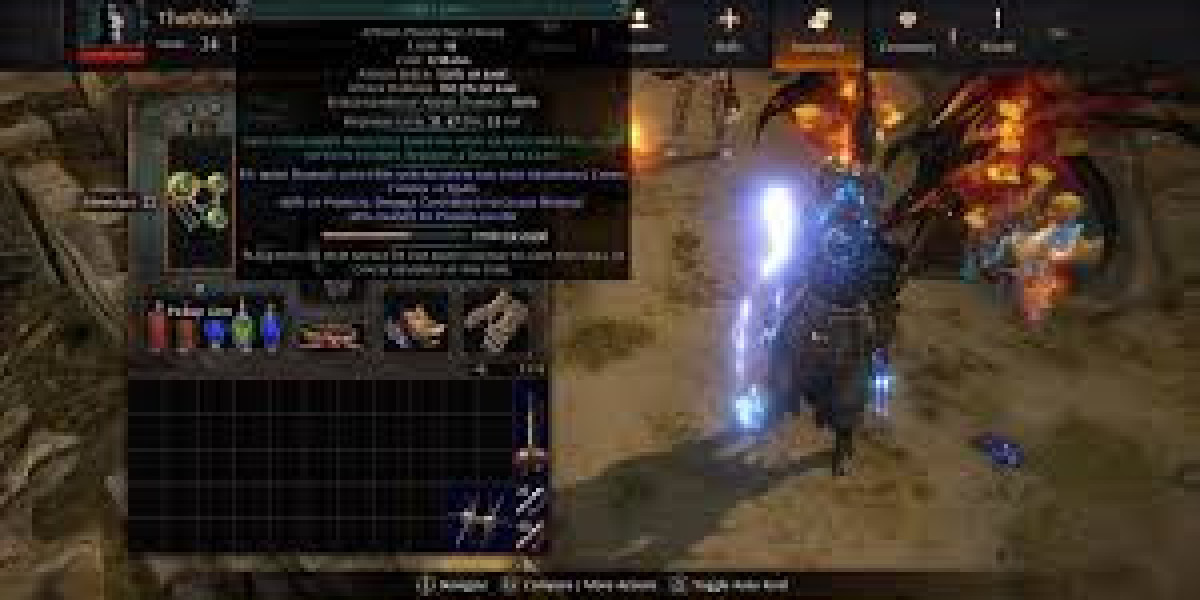

Path of Exile 1 (POE 1) has long been celebrated as one of the most intricate action RPGs available, offering players a world filled with danger, opportunity, and deep strategic choices. Set in the cursed lands of Wraeclast, the game challenges players to survive in a harsh, unforgiving environment where every decision can mean life or death. Unlike more straightforward RPGs, POE 1 emphasizes depth, experimentation, and the mastery of complex systems, rewarding players who are willing to invest time and thought into their progression.
One of the most notable features of POE 1 Currencyis its massive passive skill tree. This sprawling network of nodes allows players to develop characters in highly personalized ways. Starting classes act merely as foundations, giving players the freedom to explore paths that suit their playstyle. Whether focusing on damage, survivability, or utility, the tree encourages experimentation, hybrid builds, and unique character concepts. Understanding the synergies between nodes becomes a skill in itself, giving dedicated players a sense of ownership and mastery over their characters.
Combat in POE 1 is fast, strategic, and unforgiving. Enemies are designed to punish mistakes, making awareness, positioning, and ability management critical for survival. Each encounter requires careful planning, and boss fights often demand mastery of mechanics and strategic thinking rather than simple reliance on power or gear. This approach ensures that success feels earned, providing players with a satisfying sense of accomplishment after every challenge.
Itemization plays a central role in defining gameplay. Gear is not just about boosting stats—it can alter how skills behave, provide unique effects, and dramatically influence strategies. The crafting system deepens this complexity by allowing players to modify and improve items using a variety of in-game currencies. This creates a dynamic economy where players must continually assess their gear choices, ensuring that each piece serves a purpose in their overall build. Experimentation and adaptation are key, as different combinations of equipment can open new tactical possibilities.
Leagues and seasonal content keep POE 1 fresh and engaging. Temporary events introduce new mechanics, challenges, and rewards, encouraging players to explore different strategies and start fresh characters. These leagues prevent the game from becoming stale, reinforcing the idea that mastery in Wraeclast is an ongoing process that requires flexibility, learning, and experimentation.
The narrative and world-building of Wraeclast complement the game’s mechanics. Dark, oppressive, and rich in lore, the world conveys a sense of exile, corruption, and danger. Storytelling is embedded in environments, dialogue, and item descriptions, rewarding attentive players with insight into the history and struggles of the land. This creates a sense of immersion where every encounter feels meaningful, and survival carries narrative weight.
Visually and audibly, POE 1 reinforces its grim tone. Muted color palettes, detailed textures, and haunting sound design immerse players in a world that constantly feels alive and threatening. From shadowed forests to ruined cities, the atmosphere conveys tension and danger, heightening the stakes of every exploration.
Ultimately, Path of Exile 1 succeeds because it combines depth, challenge, and freedom. Its complex systems, strategic combat, and immersive world reward careful planning and perseverance, offering an experience where mastery is earned and every choice carries meaning. Wraeclast is harsh and unforgiving, but for those who embrace its challenges, it provides a deeply rewarding and unforgettable adventure.