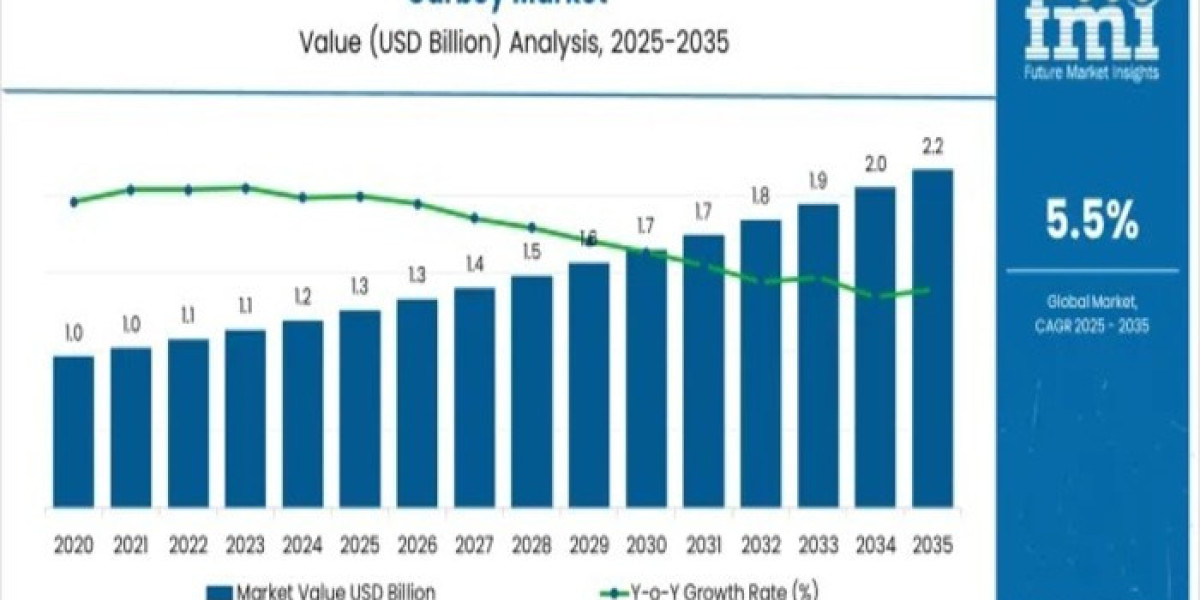
The Electronic Toy Market Size is witnessing strong expansion as digital transformation reshapes children’s entertainment and learning experiences worldwide. Rising disposable incomes, growing adoption of technology-driven education, and increasing demand for intelligent play products are encouraging manufacturers to introduce innovative solutions that combine entertainment with skill development. Parents are increasingly prioritizing toys that enhance creativity, cognitive abilities, and early technical learning, accelerating overall market growth.
Modern toy innovation is driven by the rapid adoption of Tech-Based Toy concepts that incorporate artificial intelligence, sensors, and wireless connectivity. These features enable toys to respond to voice commands, track performance, and personalize learning activities. As a result, Interactive Learning Toy categories are gaining strong traction among households and educational institutions that seek engaging tools for early childhood development.
The growing importance of STEM education has further boosted demand for Educational Electronic Toy products. Robotics kits, coding-based toys, and digital learning consoles help children develop analytical thinking, problem-solving abilities, and technical awareness at an early age. In addition, the popularity of Smart Toy Device platforms has created opportunities for manufacturers to integrate mobile apps, adaptive learning modules, and cloud-based content updates into toy ecosystems, improving long-term usability and engagement.
Traditional Battery-Powered Toy segments also continue to grow, particularly in emerging economies where affordability and portability remain key purchasing factors. Manufacturers are focusing on enhancing product safety, durability, and eco-friendly battery technologies to meet evolving regulatory and consumer expectations. These improvements are strengthening consumer trust and supporting wider adoption across global markets.
Technological advancements in related industries are also influencing toy innovation. For instance, emotion-recognition capabilities developed in the China Affective Computing Market are enabling next-generation toys to interact more naturally with children by recognizing facial expressions and emotional cues. Similarly, improvements in processing power and design capabilities associated with the Graphic Workstation Market are helping create visually immersive toy environments, including augmented and virtual reality play systems.
Looking ahead, manufacturers are expected to focus on sustainability, connectivity security, and enhanced educational value to maintain competitiveness. Companies that integrate smart learning features, develop safe connected ecosystems, and expand into high-growth emerging markets are likely to capture significant long-term opportunities in the electronic toy industry.
Summary
The electronic toy industry is experiencing steady growth due to increasing demand for smart, educational, and interactive play solutions. Technology integration, STEM-focused learning tools, and connected toy ecosystems are expected to drive strong global market expansion over the coming years.
FAQs
1. What is driving the demand for electronic toys?
Growing interest in educational play, technological innovation, and the rising popularity of smart connected devices are key factors fueling demand.
2. Which electronic toy segments are expanding rapidly?
Interactive learning devices, robotics kits, AI-enabled toys, and STEM-focused educational products are among the fastest-growing segments.
3. How will technology shape the future of electronic toys?
Artificial intelligence, emotion-recognition systems, and immersive graphics technologies will enable personalized, adaptive, and highly engaging play experiences.
➤➤Explore Market Research Future- Related Ongoing Coverage In Semiconductor Domain:
Airport Perimeter Security Market