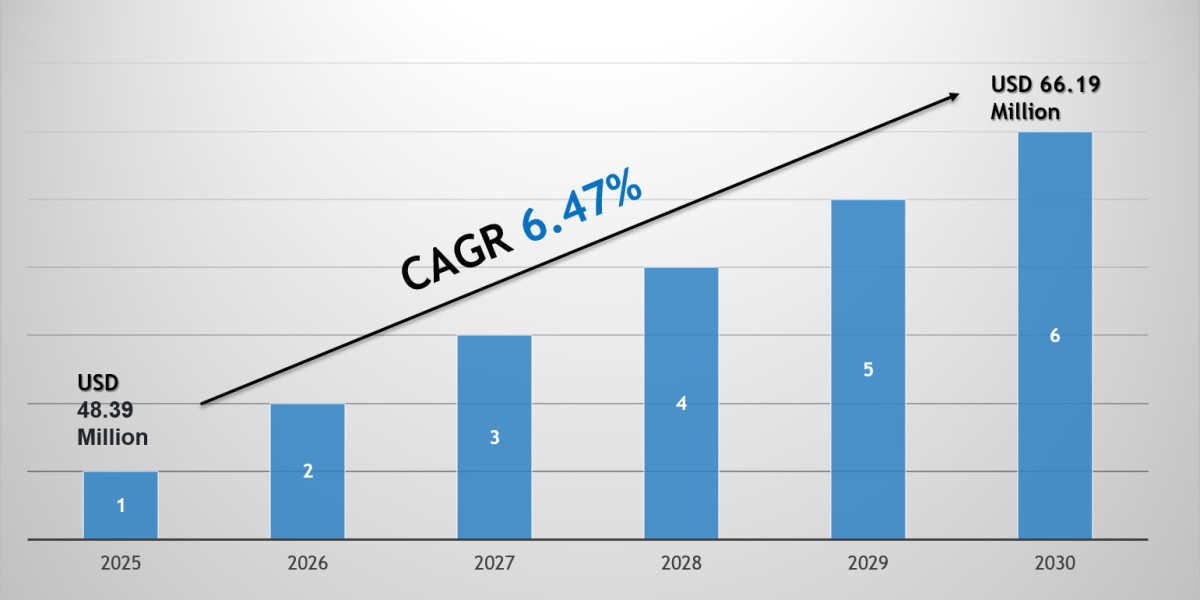
The Debit Card Market Size is experiencing steady expansion as consumers increasingly prefer cashless and secure financial payment methods. The widespread adoption of bank card services, improved ATM access, and rising POS transaction volumes are contributing significantly to market growth. Financial institutions are enhancing electronic debit capabilities to offer seamless and instant transaction experiences, further accelerating the shift toward digital banking ecosystems.
Growing urbanization, expanding retail networks, and the rapid penetration of smartphones are driving the demand for debit card services worldwide. Consumers now rely on electronic debit systems for everyday purchases, utility payments, and online shopping, making debit cards a core component of the modern financial payment infrastructure. Enhanced security protocols, including EMV chip technology and biometric authentication, are strengthening consumer confidence in bank card transactions.
The increasing deployment of digital infrastructure is also influencing the market landscape. Developments such as the UK Cloud Radio Access Network Market are enhancing connectivity and supporting real-time transaction processing across banking networks. Similarly, advancements seen in the Digital GAS Detector Market reflect broader technological progress that indirectly supports secure and efficient operational environments across industries, including financial services.
Contactless payments and mobile wallet integration are further reshaping debit card usage patterns. Consumers are opting for tap-and-go POS transaction solutions to minimize transaction time and enhance convenience. ATM access remains a critical feature, particularly in developing regions, where debit cards serve as a primary financial tool. Meanwhile, governments and financial regulators are promoting electronic debit systems to reduce cash dependency and enhance transparency in financial payment processes.
Looking ahead, the debit card industry is expected to benefit from fintech collaborations, AI-driven fraud detection, and the expansion of digital banking services. As financial institutions innovate and customer preferences continue to evolve, the Debit Card Market Size is poised for sustained growth, driven by technological integration, enhanced security frameworks, and expanding consumer reliance on bank card solutions.
FAQs
1. What is driving the growth of the Debit Card Market Size?
The growth is mainly driven by increasing digital transactions, rising POS transaction volumes, improved ATM access, and the growing adoption of electronic debit systems for everyday financial payment needs.
2. How are technological advancements impacting debit card usage?
Technologies such as contactless payments, biometric security, and enhanced network connectivity are making bank card transactions faster, safer, and more convenient.
3. What role do debit cards play in digital banking ecosystems?
Debit cards act as a fundamental tool for electronic debit and financial payment services, enabling secure online purchases, ATM withdrawals, and seamless POS transaction processing.
➤➤Explore Market Research Future- Related Ongoing Coverage In Semiconductor Domain: