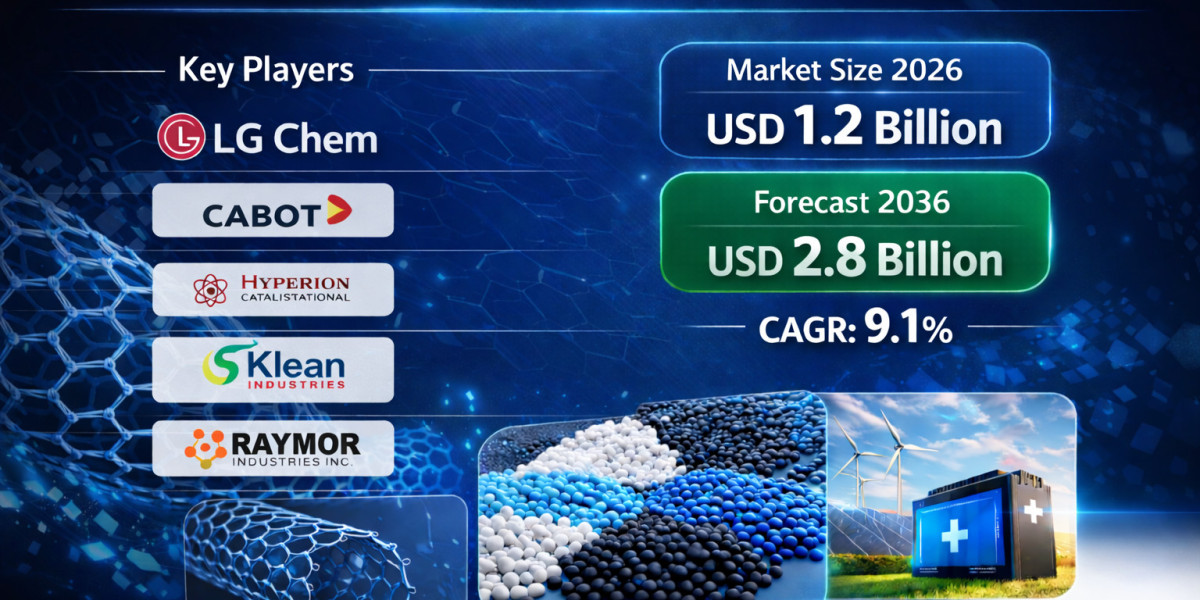
Direct Drive Wind Turbine Industry - The Direct Drive Wind Turbine Industry includes manufacturers and technology providers developing gearless turbine systems that offer higher reliability and energy efficiency. Industry players are emphasizing compact generator designs, lightweight materials, and scalability for large-capacity installations.
The Direct Drive Wind Turbine Industry encompasses a competitive and increasingly specialized ecosystem that spans component manufacturing, turbine assembly, project development, and long-term service provision. Major global turbine manufacturers, including European and Chinese conglomerates, dominate the landscape, leveraging their established supply chains and R&D capabilities to push the boundaries of turbine size and power output. The industry's structure is moderately concentrated, with a few key players holding significant market share and driving the standardization and evolution of direct drive platforms.
The supply chain for the direct drive industry is characterized by its reliance on sophisticated electrical components, most notably the permanent magnet synchronous generators (PMSGs). This interdependence has elevated the importance of magnet and power electronics suppliers. Manufacturers are constantly seeking innovations in magnet-free or reduced-magnet generators to mitigate the price volatility and geopolitical risks associated with rare earth minerals. Furthermore, the immense scale of modern DD turbines necessitates advanced manufacturing and logistics capabilities to handle the large, heavy generator and nacelle components. This often involves specialized port facilities and transportation solutions, creating bottlenecks and opportunities for specialized service providers.
Innovation within the industry is heavily focused on increasing power density and system efficiency. Efforts are concentrated on generator cooling systems, power converter design, and advanced control algorithms that allow the turbine to maximize energy capture across a wide range of wind speeds. The trend toward modular design is also prominent, aiming to simplify the manufacturing process, ease transportation, and facilitate on-site assembly and component replacement, thereby further reducing the lifetime cost of energy (LCOE).
The competitive dynamic is shifting from a pure focus on initial capital cost (CAPEX) to a holistic assessment of long-term reliability and energy production. Companies that can convincingly demonstrate superior performance over a 20-25 year lifespan, backed by comprehensive maintenance and service agreements, are gaining a significant edge. As governments around the world commit to more ambitious climate and renewable energy targets, the DD wind turbine industry is poised for continued consolidation and rapid technological advancement, cementing its role as a core pillar of the clean energy transition.