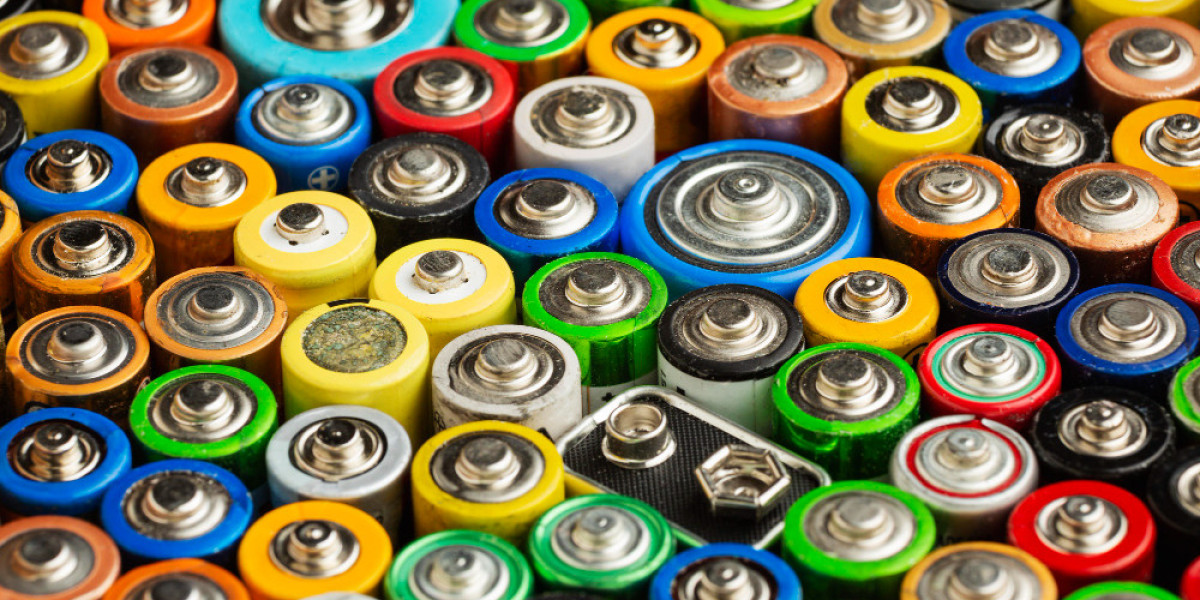
Battery Recycling Industry - The Battery Recycling Industry consists of specialized recyclers, technology providers, and manufacturers collaborating to build a sustainable supply chain for secondary battery materials. Industry players are investing in innovative recycling technologies to enhance recovery efficiency and minimize waste.
The Battery Recycling Industry is the operational and technological ecosystem responsible for transforming spent batteries into usable raw materials. It is a highly capital-intensive and rapidly evolving industrial domain, characterized by intense technological competition and the establishment of complex global logistics networks.
Historically, the industry was underpinned by the mature technology for recycling lead-acid batteries, a process with established economic viability and high recovery rates. The current narrative, however, is centered on the shift to lithium-ion battery (LIB) recycling. This shift demands significant innovation due to the complexity, diversity, and volatility of LIB chemistries and designs. The industry is effectively a nascent manufacturing sector that produces secondary raw materials.
A key structural feature of the industry is the debate and competition between different recycling technologies. Pyrometallurgy, which uses high heat to smelt the batteries, is an established process that can handle mixed battery waste but typically only recovers cobalt and nickel efficiently in the metallic alloy, burning off the lithium and organic components. Hydrometallurgy, on the other hand, uses aqueous chemistry to leach out and selectively recover all critical materials, including high-purity lithium, making it more aligned with the circular economy goals. More recently, Direct Recycling is gaining traction, aiming to preserve the original cathode material structure, minimizing energy use and manufacturing steps. The industry's future direction depends on which of these technological paths proves most scalable, cost-effective, and environmentally superior.
The industry faces significant operational challenges. The heterogeneity of battery designs and chemistries makes safe and efficient automated dismantling difficult. Logistically, batteries are heavy, energy-dense, and classified as hazardous material, complicating collection, storage, and transport. Furthermore, there is a temporal mismatch: the current supply of high-volume EV batteries reaching end-of-life is low (the "valley of death"), while the capacity building for future recycling needs is high (the "gigafactory boom"). This necessitates the recycling of manufacturing scrap—the waste from battery production—to keep new facilities operational in the short term.
Geographically, the industry's centers of gravity are forming in regions with strong EV manufacturing bases and supportive regulatory frameworks, notably in Asia-Pacific (especially China and South Korea), Europe, and North America. Governments in these regions are actively incentivizing the domestic establishment of recycling facilities to secure local material supply and enhance energy independence. This focus on regional material loops is driving partnerships between battery manufacturers (OEMs), automotive companies, and specialized recycling companies, creating vertically integrated supply chains. The industry is thus a critical component of national and regional strategies for raw material sovereignty and sustainable development.
FAQs on Battery Recycling Industry
What is the main challenge faced by the lithium-ion battery recycling industry today? A major hurdle is the current lack of a large, consistent volume of end-of-life electric vehicle batteries reaching recycling facilities, which complicates the economic viability and scale-up of new, large-capacity recycling plants.
What role does manufacturing scrap play in the battery recycling industry? Manufacturing scrap, or production waste from battery factories, provides an immediate, consistent, and predictable feedstock source that is currently essential for new recycling facilities to operate and refine their processes before the expected surge of end-of-life EV batteries.
How does the industry address the safety risks of recycling high-voltage batteries? The industry employs specialized pre-treatment steps, such as controlled discharging in salt baths or inert environments, and uses highly automated and safety-focused dismantling processes to mitigate the risks of thermal runaway (fire) and electrical hazards.
More Related Reports: